
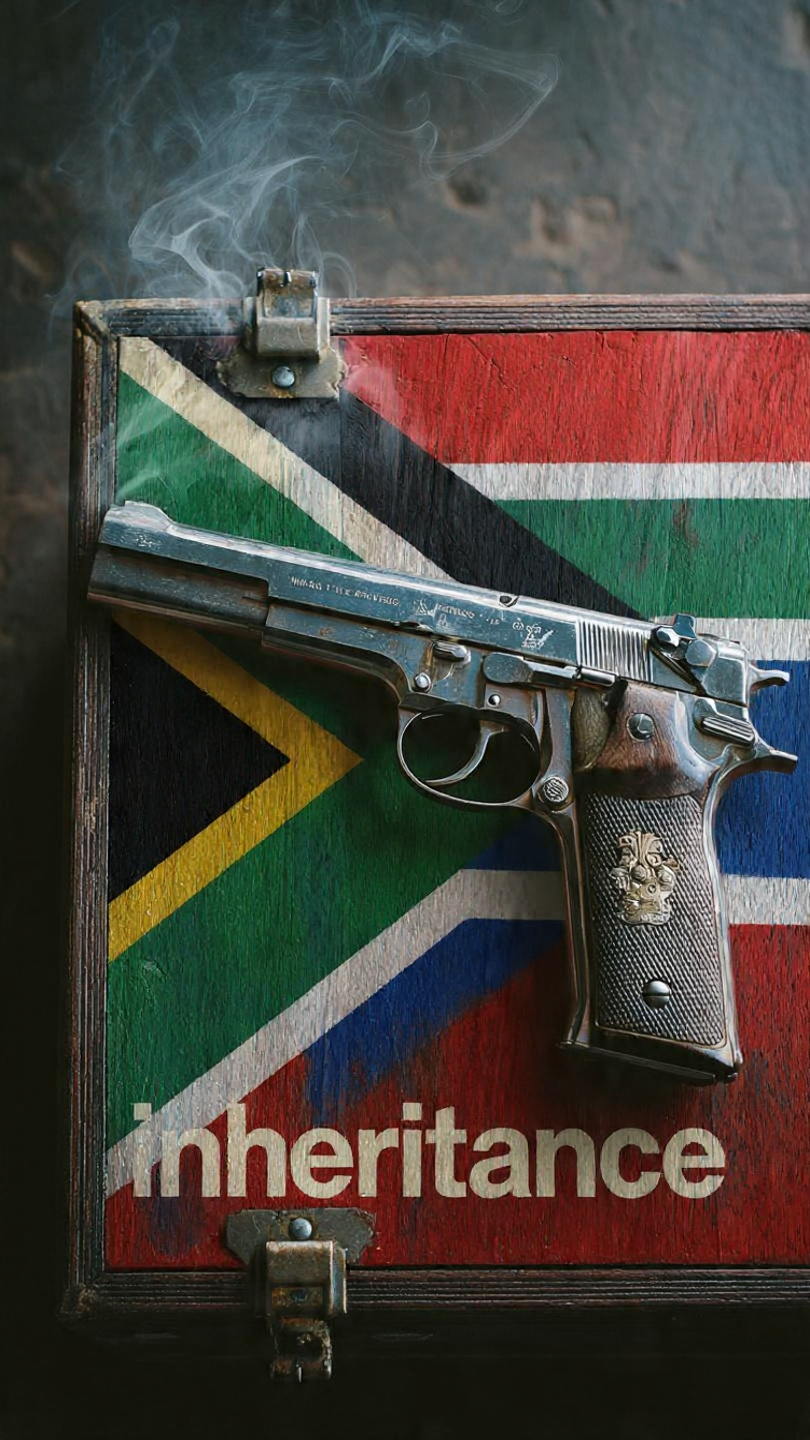
Inheriting a firearm under the Firearms Control Act (FCA) can be complex. From firearm licence applications to competency certificates, safe storage, and estate compliance, every step must be handled correctly to avoid delays or penalties.
At SA Gun Licenses, we specialise in firearm licence renewals, new firearm licence applications, and firearm inheritance compliance. We’ll guide you through the paperwork, motivations, and submissions to the Central Firearms Register (CFR) — making the process clear, lawful, and stress‑free.
In south Africa, inheriting a firearm isn’t as simple as adding it to your collection. The Firearms Control Act (FCA) makes it clear: you cannot take ownership until you’ve been granted a valid licence. Here’s a breakdown of what happens when a firearm is passed down in an estate — and the choices available to heirs.
Step 1: Secure the Firearm Immediately
When the owner passes away, the firearm must be stored safely.
Before an Executor is Appointed: A close relative or heir with an SABS-approved safe can apply for a Temporary Authorization to Possess a Firearm (SAPS 518 form) from their local Designated Firearms Officer (DFO)
After Appointment: The executor becomes the legal custodian. If they don’t have proper storage, they can issue a consent letter allowing a licensed heir or registered dealer to store it.
Inventory Requirement: Within 14 days of appointment, the executor must submit a full inventory of all firearms and ammunition to the Central Firearms Register (CFR)
Step 2: The Heir’s Four Options
If you inherit a firearm, you have four legal routes:
1.Apply for a New Licence – To keep and use the firearm, you’ll need a Competency Certificate and then apply for a licence (SAPS 271)
2. Deactivate the Firearm – Turn it into a sentimental “wall-hanger” by having a licensed gunsmith render it permanently inoperable (with CFR approval).
3. Sell or Donate – Transfer it to a registered dealer or another licensed individual.
4. Surrender for Destruction – Hand it over to SAPS for destruction.
Step 3: The Licensing Process
If you decide to keep the firearm, here’s what’s involved:
Competency Certificate: If you don’t already have one, you’ll need to pass the required proficiency tests.
Licence Application (SAPS 271): Submit the application along with estate documents:
-
- Certified copy of the death certificate
-
- Letter of Executorship
-
- Executor’s consent letter
-
- Copy of the deceased’s firearm licenc
Motivation Letter: Explain why you need the firearm (self-defense, hunting, or as a family heirloom).
Step 4: Finalising the Estate
The executor cannot close the estate until the Registrar confirms that all firearms have been legally transferred, deactivated, or destroyed.
Closing Thought
Inheriting a firearm is about more than sentiment — it’s about responsibility. By following the FCA’s process, heirs can honour their loved one’s legacy while ensuring compliance with the law. If you need any assistance, remember we are your trusted Firearm Licensing Consultants and at www.sagunlicenses.co.za we believe that applying for a firearm license should never feel complicated, confusing, or stressful. Our purpose is simple: to guide you step‑by‑step, handle the paperwork, and make the entire application process smooth, transparent, and understandable.
Frequently Asked Questions
Can I use the firearm before I get a licence?
No. Even if you’re the rightful heir, you cannot legally use or carry the firearm until you’ve been granted a licence. Until then, it must remain in safe storage under the executor’s authority or with a licensed custodian.
What if no one in the family wants to inherit the firearm?
In that case, the executor can arrange for the firearm to be sold to a registered dealer, donated to a licensed individual, or surrendered to SAPS for destruction.
How long does the licensing process take?
It varies, but expect several months. The Competency Certificate alone can take time, and the SAPS 271 licence application requires thorough documentation and a motivation letter.
Can I keep the firearm just for sentimental reasons?
Yes. If you don’t want to use it, you can have it deactivated by a licensed gunsmith (with CFR approval). It then becomes a safe, non-functional keepsake.
What happens if the firearm isn’t dealt with properly?
The estate cannot be finalised until the Registrar confirms that all firearms have been legally transferred, deactivated, or destroyed. Mishandling the process can delay the estate and may lead to legal consequences.
Need Help Navigating the Process?
Dealing with firearm inheritance can feel overwhelming — especially when you’re already managing the emotions and responsibilities of an estate. At SA Gun Licenses, we guide families through every step of the process, from safe storage to licence applications, ensuring full compliance with the Firearms Control Act.
Whether you want to keep, sell, or deactivate an inherited firearm, we’ll help you handle the paperwork correctly and avoid costly delays.
Contact us today to make the process simple, lawful, and stress-free.